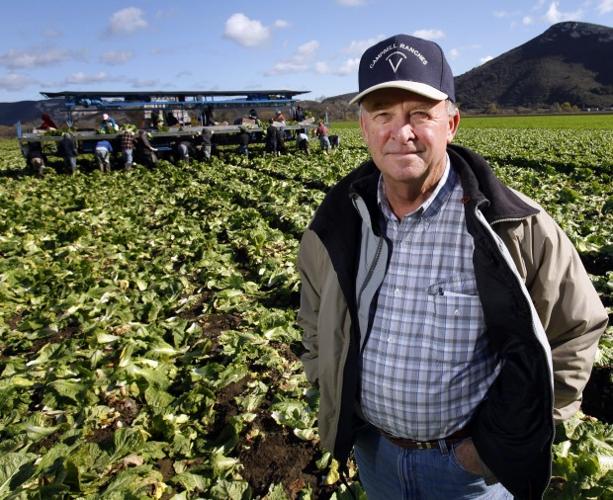

Bob Campbell, a Lompoc-area rancher, farmer, and business owner, faced a challenge several years ago. Regulatory obstacles related to the presence of California Tiger Salamanders on his property were making it difficult to move forward with his ranching operations.
Bob needed a solution, and the Land Trust for Santa Barbara County helped find one that protected this endangered species while fairly compensating the family for conserving important grazing lands.
“One thing I am really proud of is that we work with willing landowners,” said Conservation Director Bruce Reitherman. “Bob and his family have a proud legacy of good stewardship that goes back six generations. Once we knew what they wanted, we worked with our partners at the federal and state wildlife agencies to initiate a project that might fit everyone’s needs.”
The outcome was the conservation of 460 acres of rangeland habitat for the endangered California Tiger Salamander while also providing economic benefits for the Campbell family.
A service-minded leader in the Lompoc agricultural community, Campbell Ranches donated 1,500 pounds of fresh produce to hospital staff at Lompoc Valley Medical Center to support personnel during the COVID-19 pandemic. The Campbell family is also behind Lompoc Beans, a beloved local business known for pinquitos grown in Lompoc and Santa Maria.
Today, the Campbell family is building a reputation as a conservation partner—balancing agricultural operations, family livelihoods, conservation incentives, and wildlife habitat protection through collaborative, nature-based solutions.
As Bob explains:
“We’ve grown cattle, beans, flowers, fresh vegetables—you name it, and always managed to make a living. In a way, we see conservation as a new crop in the lineup.”
He continued:
“Our family is now looking ahead to other conservation opportunities that will fit well and support our family’s farming and ranching business and help preserve Santa Barbara County’s valuable wild lands.”
This partnership demonstrates that conservation and agriculture do not have to be competing interests. When landowners, conservation organizations, and public agencies work together, solutions can be found that protect both working lands and wildlife habitat for future generations.
What happened next?
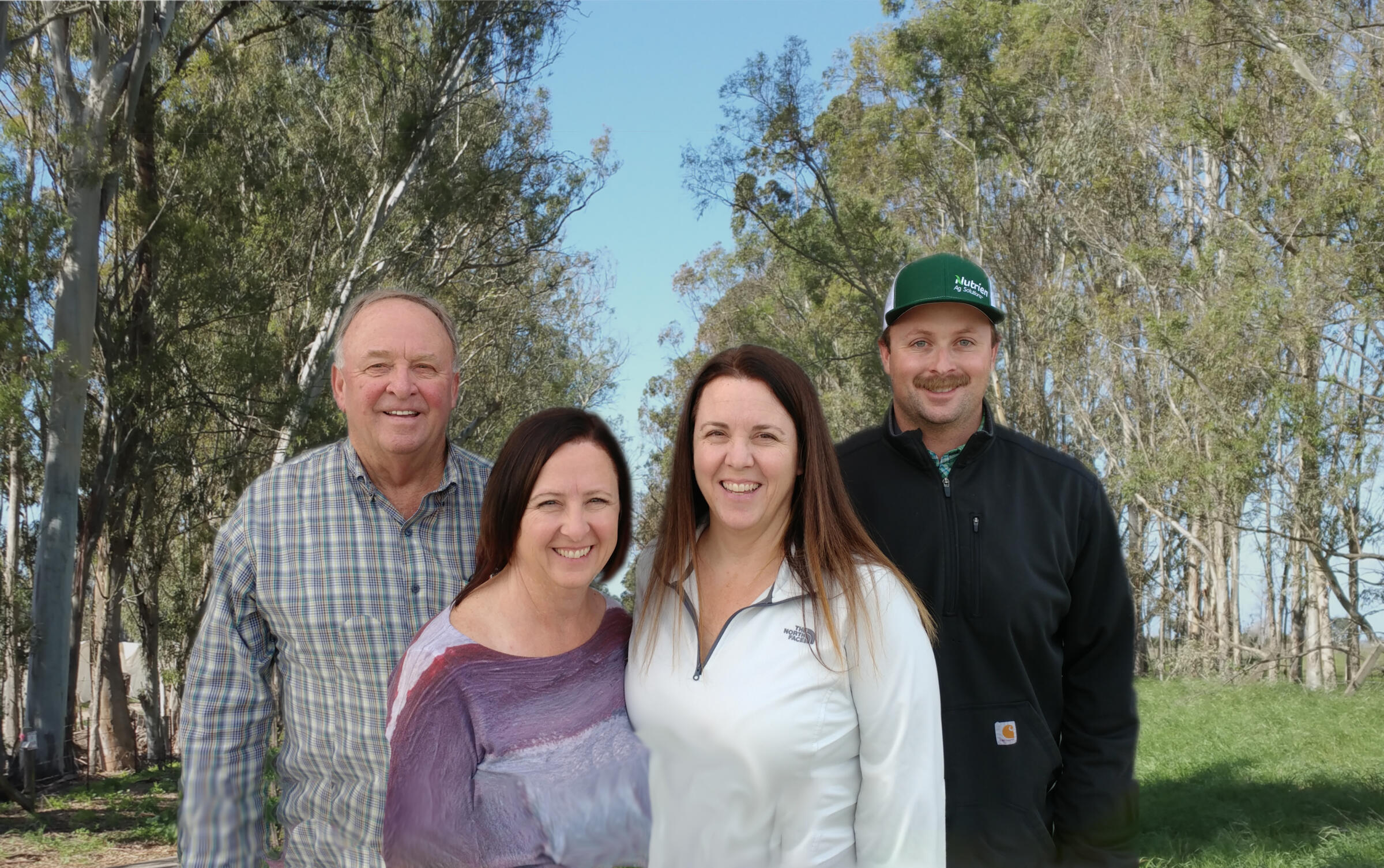
Since this story was first shared, the Campbell family has continued to demonstrate how conservation and agriculture can work together to support working lands, family livelihoods, and wildlife habitat.
In their own words…
“For us, conservation is about looking ahead and finding ways to keep our agricultural lands in the family and productive while also protecting the natural resources that make this region so special. We’re proud to be part of a partnership that supports both local agriculture and wildlife habitat, and we hope stories like ours show that conservation can be a practical tool for farming and ranching families.”
The Campbell Family, June 2026