
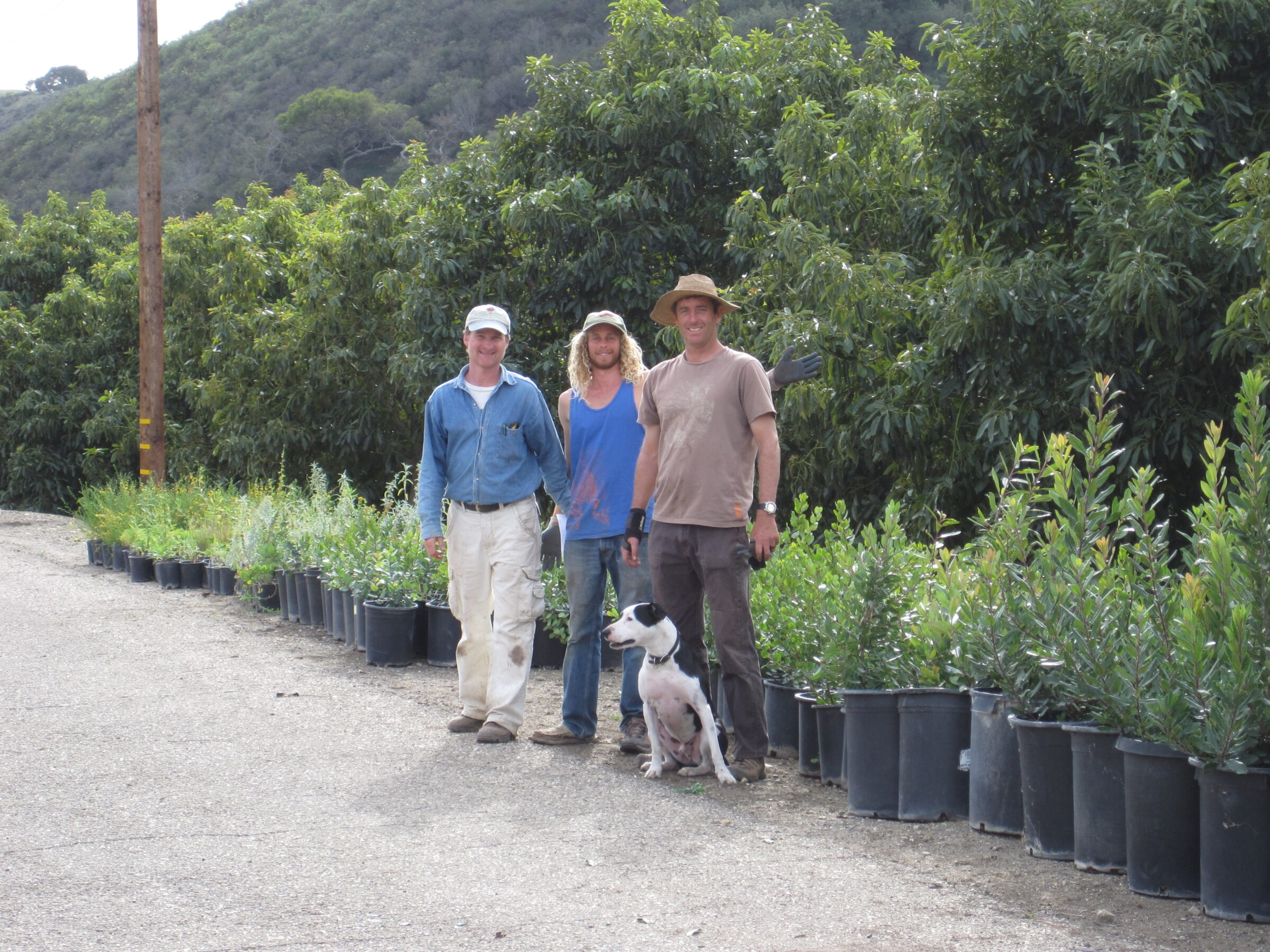
John Warner’s smiling face and broad-brimmed hat are synonymous with a visit to Arroyo Hondo Preserve. He has co-managed the preserve alongside his partner, Jenifer Dunn, for more than fifteen years. John has welcomed busloads of Santa Barbara County schoolchildren and thousands of public visitors to the preserve.
Born in Santa Barbara, John’s local roots go back to the 1960s. What might be less known is that John left a career in business to follow his passion for plants. He started Santa Barbara Natives plant nursery in 2003, which he now operates with his business partner, Jeff Nighman.
The nursery specializes in native perennial plants found in Santa Barbara County plant communities including coastal sage scrub, oak woodland, riparian zones, wetlands, and more. Native plants are grown not only for sale to professionals and homeowners but for restoration projects throughout the county, including at Arroyo Hondo Preserve.
Other projects include Carpinteria Salt Marsh, Arroyo Burro City of Santa Barbara projects, San Marcos Preserve, County of Santa Barbara Flood Control projects, and UCSB’s North Campus Open Space wetland project, among other public and private sites.
“Nature rebalances itself; however, sometimes it needs a little help rebounding from our impacts, and that’s where humans can help reestablish balance.”
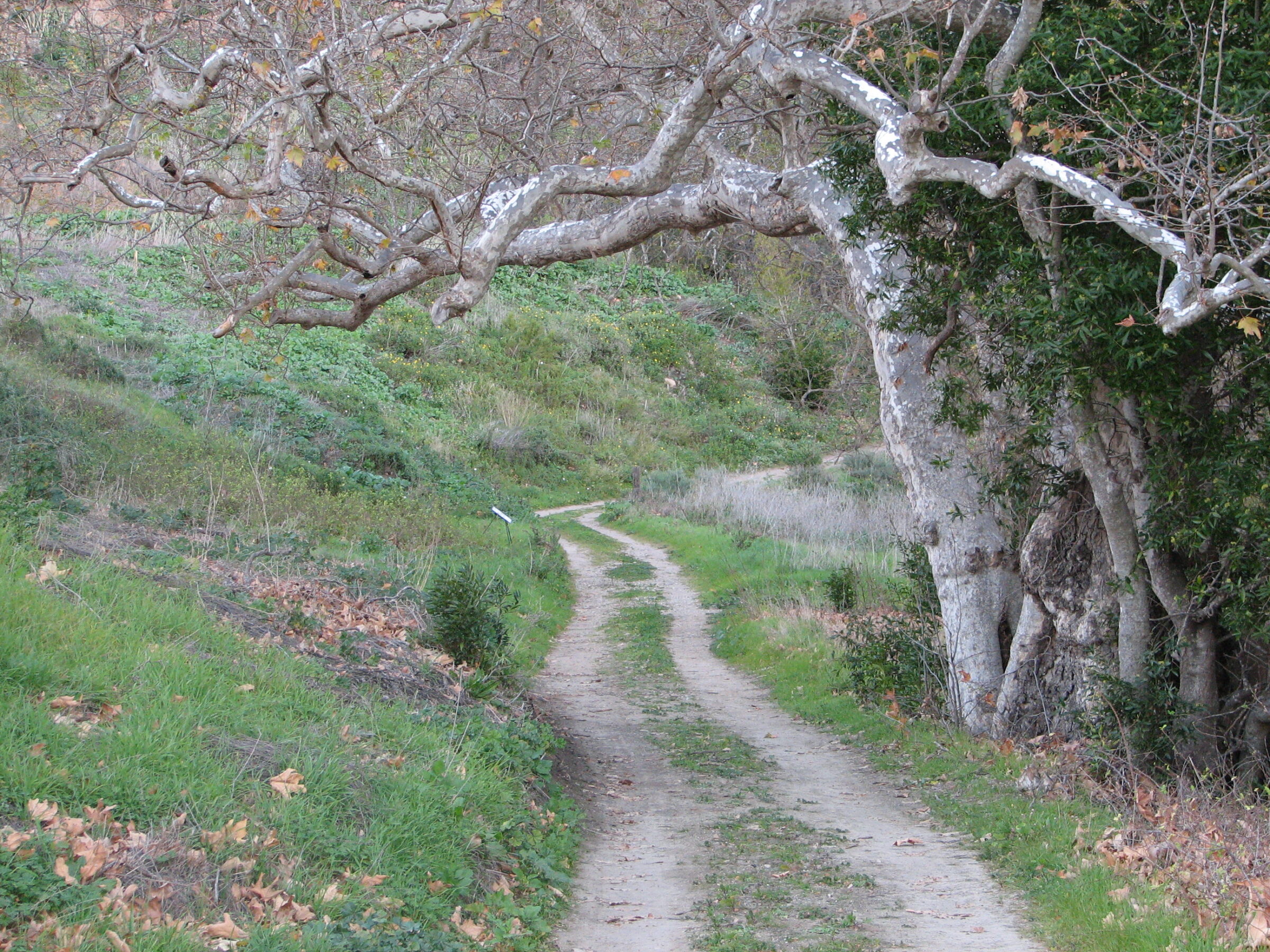
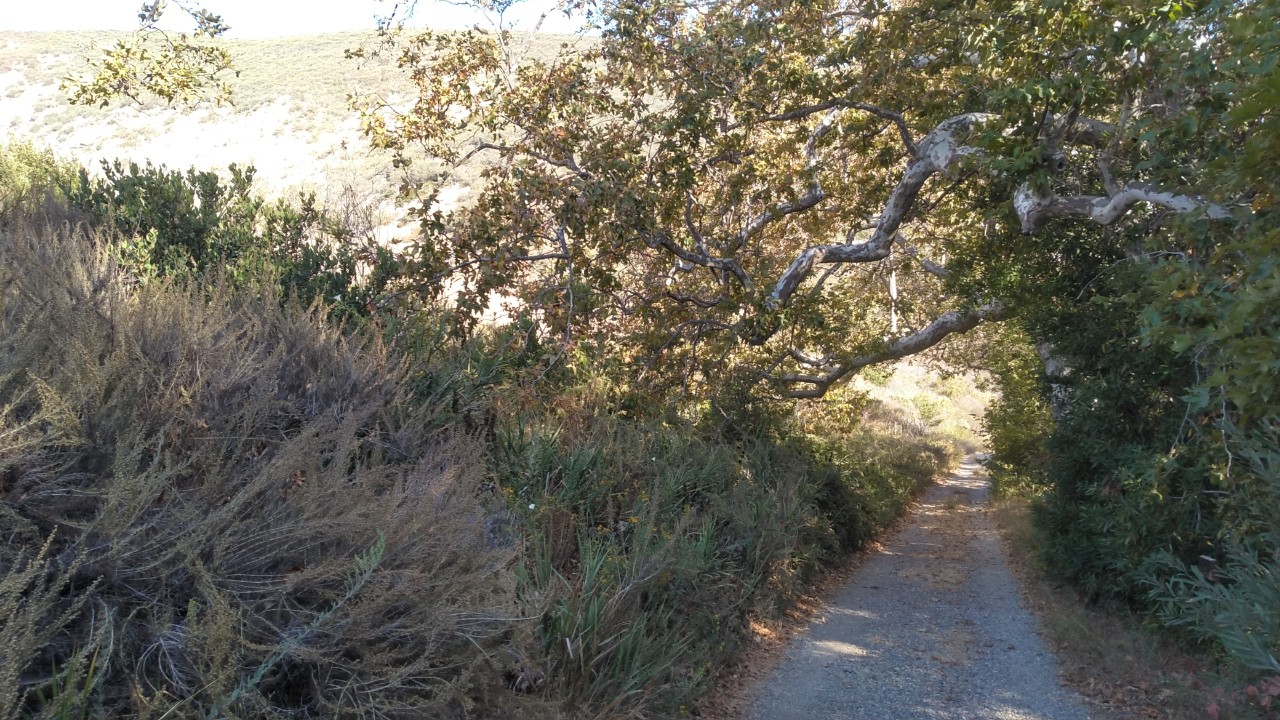
John and Jeff collect native seeds from as close to the restoration area as possible, germinating them at the nursery and then returning them to the project site. They not only collect seeds for specific projects, but they also keep detailed records of seed and plant material origins for their seed bank.
To date, Santa Barbara Natives has grown more than 1.2 million trees, shrubs, grasses, and other perennials. In the wake of the Alisal Fire, the nursery lost a few hundred plants and needed some repairs, but the structures were protected and the business remained open.
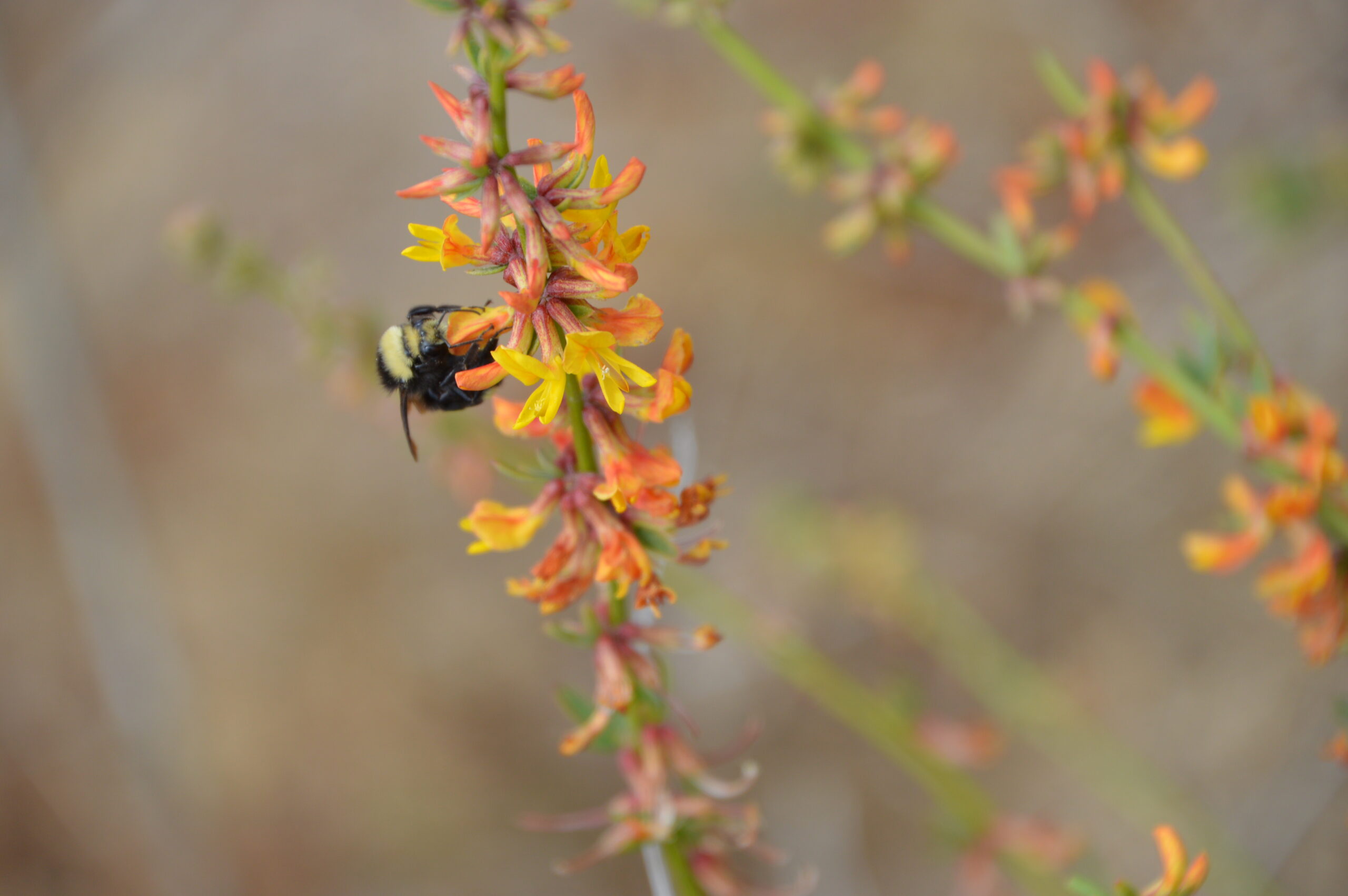
Following events like wildfire or overgrazing, humans can help reestablish native plant communities by removing invasive species that crowd out plant diversity and permanently reshape whole landscapes. In more urban environments, planting natives in gardens and integrating them into landscaping conserves water and creates habitat and food sources for beneficial wildlife like native bees, hummingbirds, and other pollinators.
The interconnected native plant and animal communities of Santa Barbara County affect long-term climate resilience, and the natural resources Santa Barbara County depends on. Conserving land and actively stewarding it through restoration has far-reaching impacts on whether people have access to clean air, fresh water, local food, open spaces, and the buffers that protect communities during increasingly intense wildfires, floods, and drought.
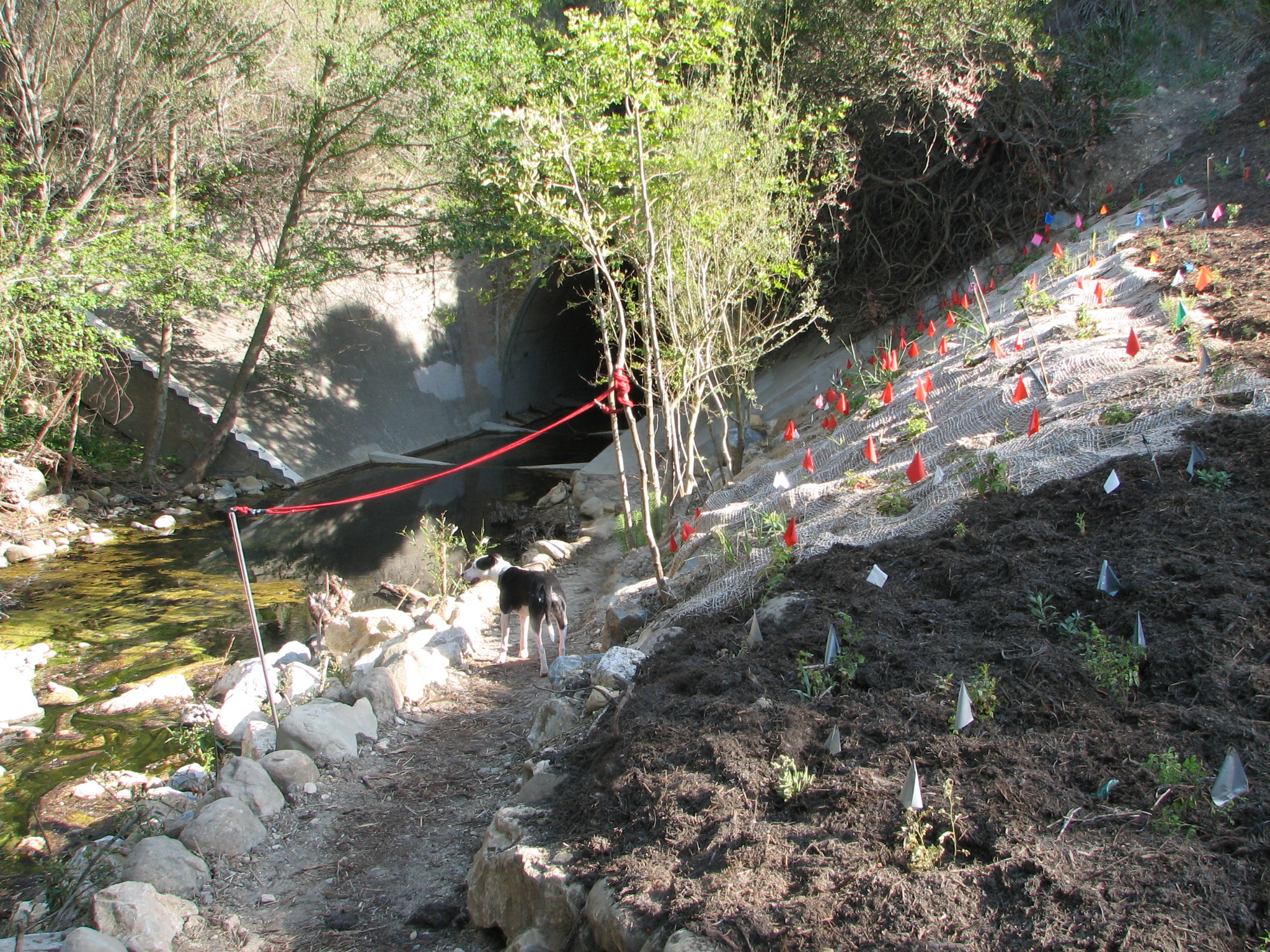
As John puts it:
“Nature rebalances itself; however, sometimes it needs a little help rebounding from our impacts, and that’s where humans can help reestablish balance.”
What Happened Next?
This story was originally published in Fall 2021 issue of THE LAND Newsletter. It has been re-published on The Landline blog in June 2026 as part of our ongoing effort to preserve and make accessible stories from the Land Trust’s archives.