
So the first step’s done: a conservation easement has closed on a property, protecting its conservation values in perpetuity. Cue the bells, the press releases, the sighs of relief from a community long dogged by the possibility of their favorite green spaces being developed. But once the celebration has died down and the next acquisition project takes up residence on Land Trust desks, what exactly becomes of the protected property?
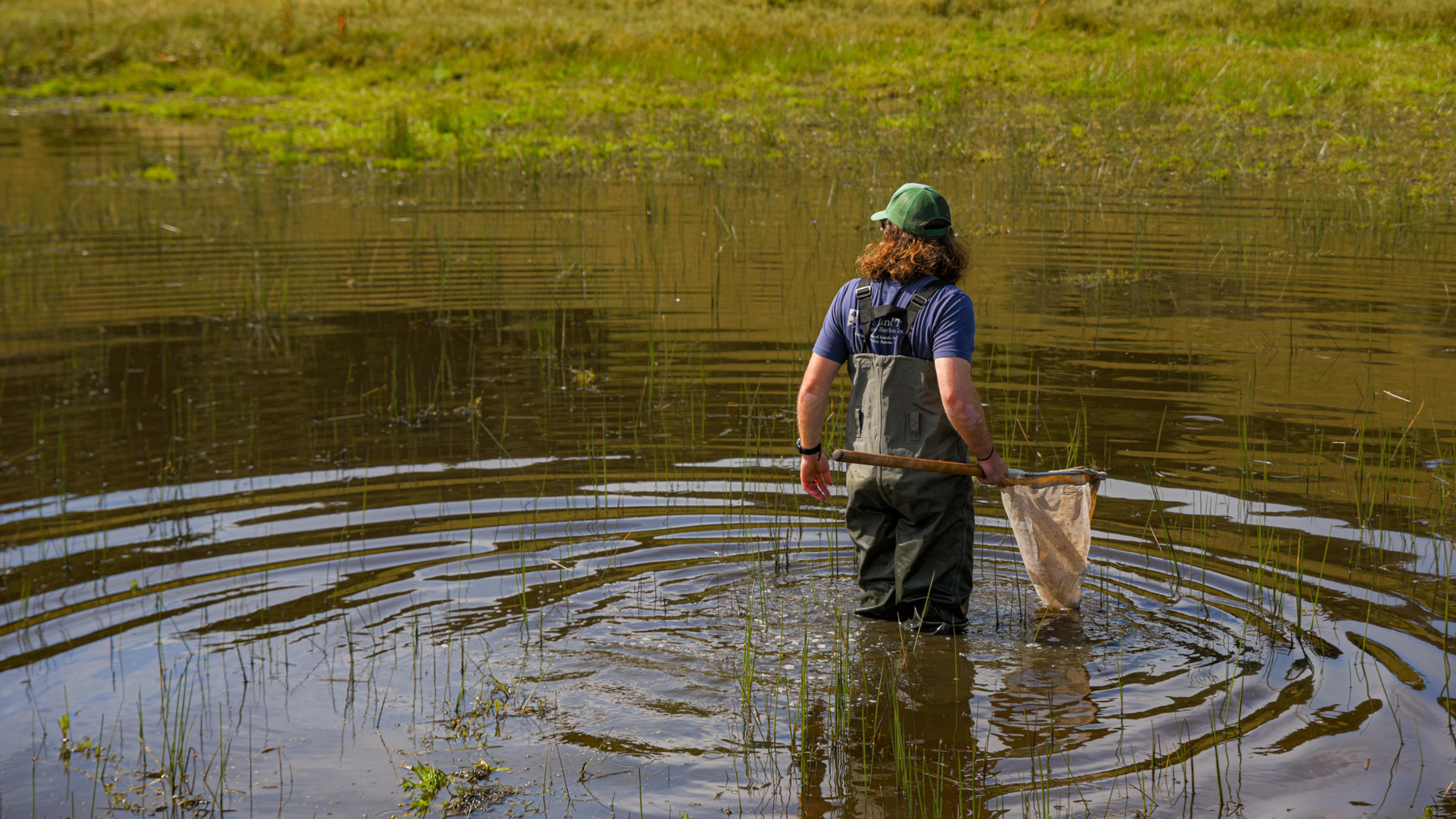
Enter land conservation’s less-flashy-but-nevertheless-necessary cousin, land stewardship (or, as the department is endearingly referred to in our office, the Stew Crew). The need for land stewardship rests on the fact that land is a dynamic system and may change from year to year even without the pressures of development (think climate change, natural disasters, establishment of new species, etc.). Because each conservation easement is unique in what it allows or doesn’t allow on a given property – public access, agriculture, expansion of an existing structure, etc. – the Land Trust employs a dedicated stewardship team to conduct regular monitoring visits of conserved properties and ensure that the terms of their easements are being upheld to the best of the landowner’s abilities.
Though stewardship represents a huge part of the Land Trust’s work in the community, the exact responsibilities of this team often remain murky for the general public, especially those having to do with post-acquisition monitoring of properties. To shed light on the nature of this work, our Land Stewardship Manager Kyle Kusa gives us a rundown of what exactly these monitoring visits entail…
A Brief Field Guide to Easement Monitoring
1. Establish a baseline report for the property.
This step typically occurs while the conservation easement is still being drafted. Information collected for this report includes a comprehensive property history, inventory of existing structures, and detailed species lists.
2. Meet with the landowner(s) to gather preliminary information about the property.
The first monitoring visit will have the most robust “interview” of all subsequent visits. Some questions that we may ask during this meeting include:
- What does the property’s general land use look like?
- Have there been any recent human alterations to the property, such as the addition of structures, roads, trails, or fences? How about natural alterations?
- Is there signage or perimeter fencing in need of repair?
- Are there any modifications occurring on adjacent properties that could impact this easement?
- Are there any plans to exercise reserved rights that require Land Trust review and approval?
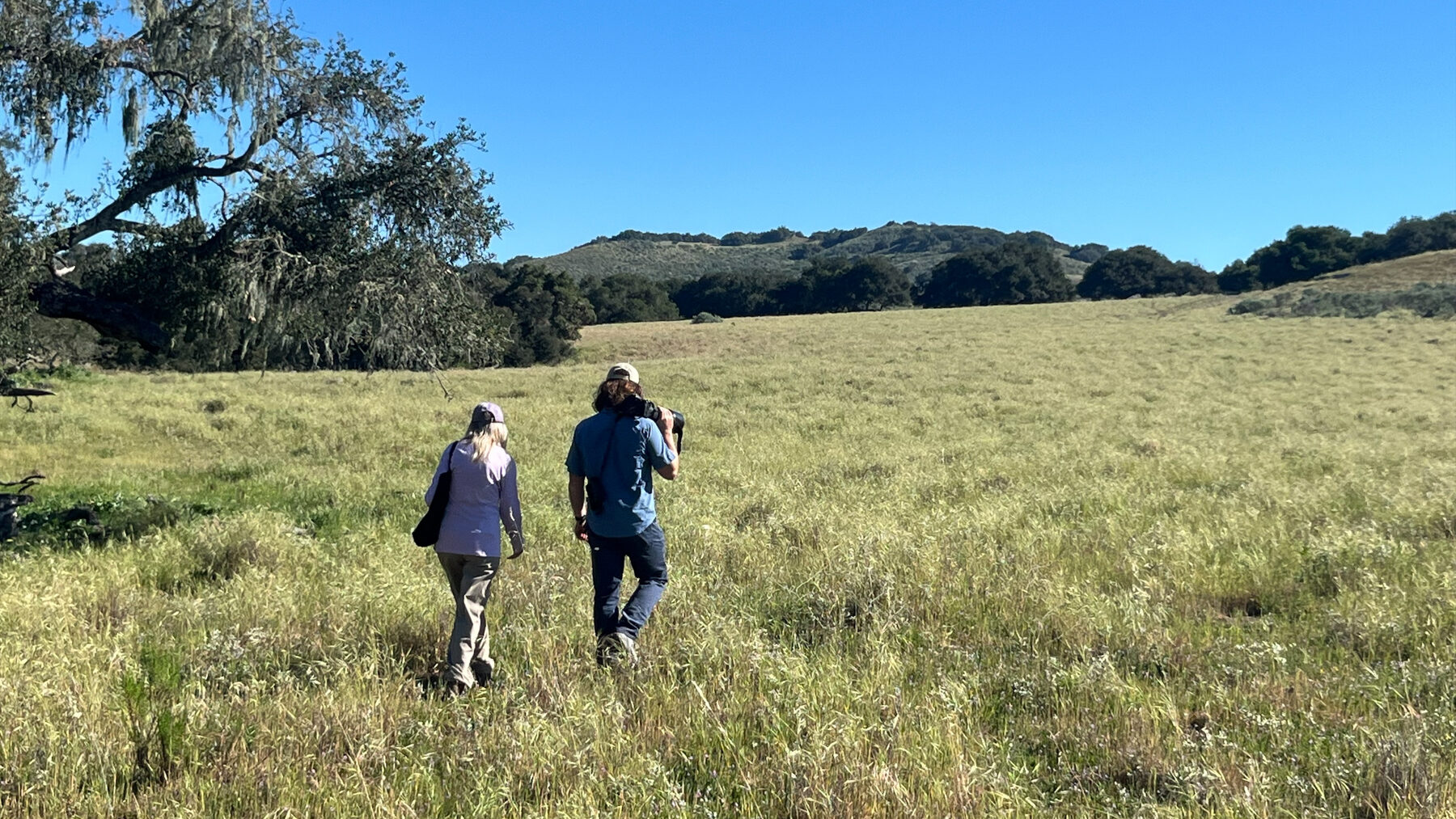
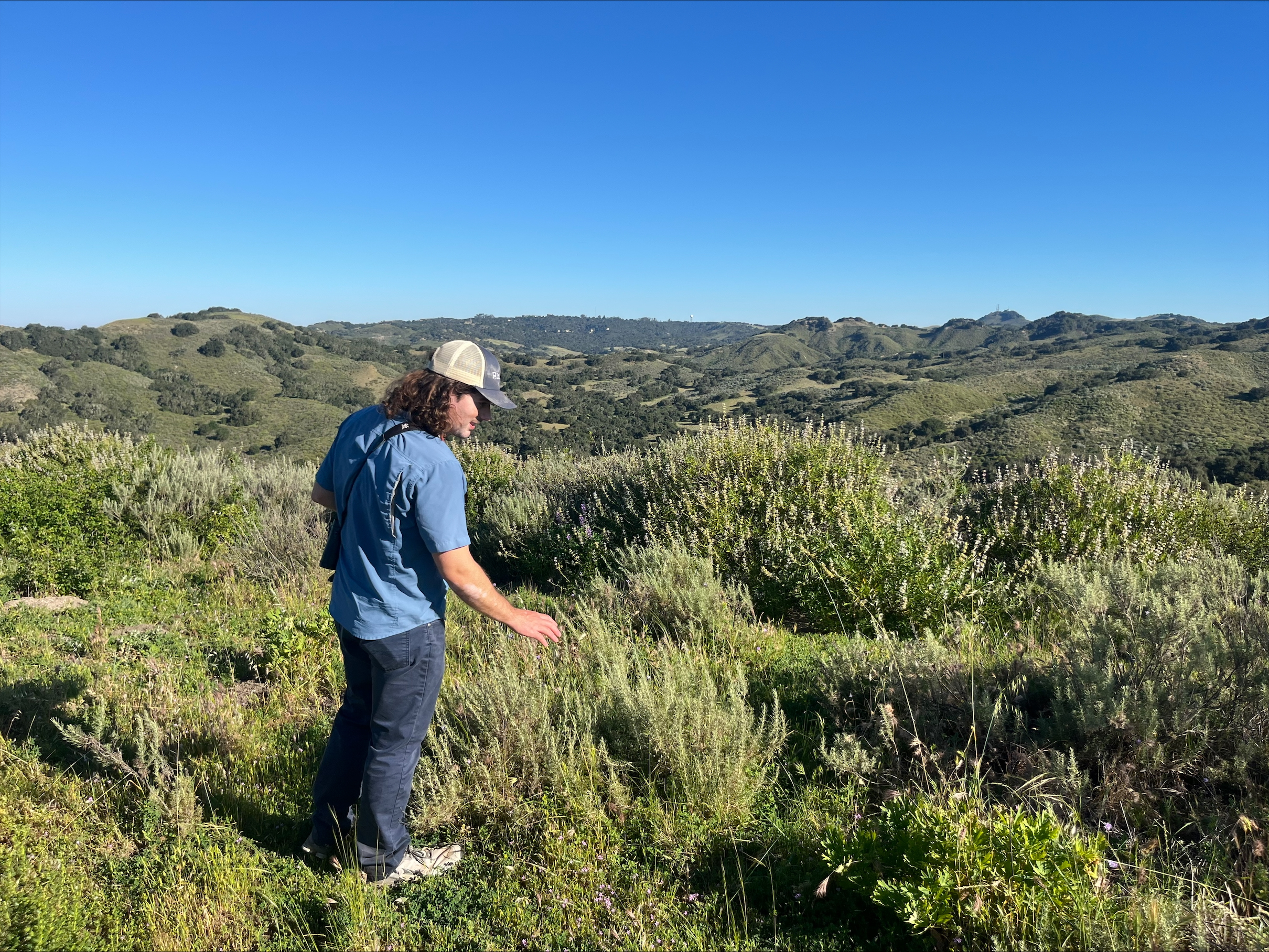
3. Tour the property, taking photos of the land as you go.
These geotagged photos are entered into an internal database, where they can be compared to photos from past site visits. Keeping a visual record of the property allows us to observe changes to the land from year to year.
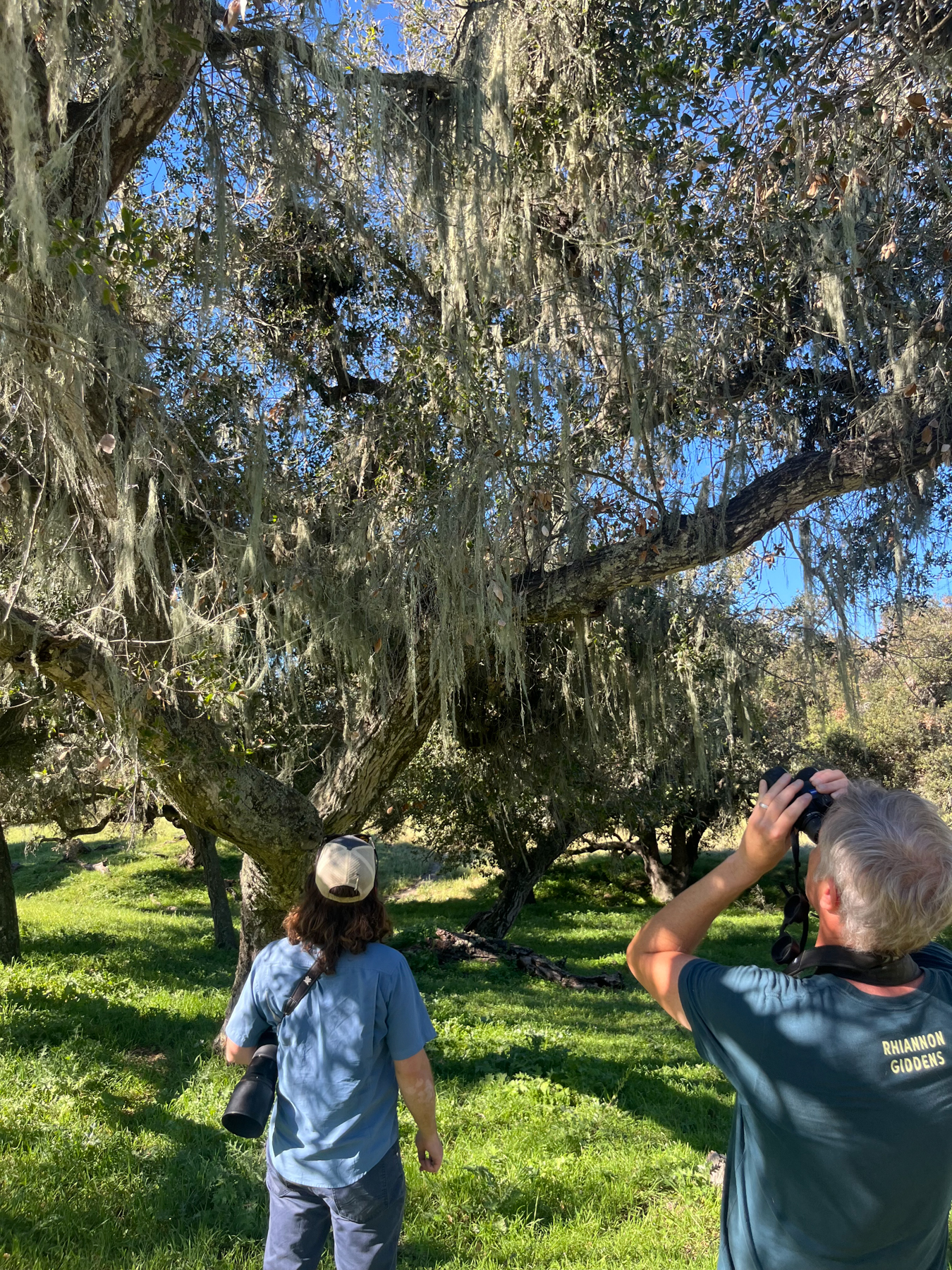
4. Keep an eye out for notable species and areas of interest or concern.
Spot a yellow-billed magpie or a trail prone to washout? Jot it down! This information will be included in the monitoring report and could prove pertinent to future property management strategies.
5. Create a comprehensive report using the data collected from the visit.
This report serves as a “snapshot” of the land at any given time, providing important context for future visits and allowing Land Trust staff to assess overall property health over time.
6. Repeat the process!
Once the first visit is completed, we return to each property annually to document changes over the following year. Some properties can be visited at any time of year, while others require season-specific visits. In the fall, we visit properties with livestock to collect vegetation samples and assess rangeland health. Some properties even require three monitoring visits each year. With 63 conservation easements (and counting!) at the time of publishing this post, we find ourselves out on the land during most weeks of the year.
Conservation is more than protecting land—it’s an ongoing commitment to caring for it. Through stewardship, monitoring, restoration, and partnership with landowners, the Land Trust helps ensure conserved lands remain healthy and resilient for generations to come.
Whether you’re interested in protecting your land, exploring conservation easements, or caring for the places you love, learn how the Land Trust partners with landowners to preserve Santa Barbara County’s natural and agricultural landscapes.