
Enshrined in popular culture as a melter of troubles and bringer of balmy days, California living has adopted a new signature in recent decades, one that may be best described as an ever-increasing flirtation with fire. It’s a reality that begs heightened wariness of residents statewide, be them in the hills of wine country, the seeming shelter of the coast, or the expanses of inland suburbia. If they have not felt the impact of fire themselves, most Californians are but a degree of separation away from the loss of homes, businesses, and lives related to increasingly severe burns in their area, those which can be largely connected to a swiftly changing climate that alters fire regimes statewide.
While the effects of climate change have certainly exacerbated the intensity of fire weather, fire itself is far from unnatural. It is a regulator of key ecosystem processes and, when suppressed, can lead to deleterious effects within the broader environment, from reduction of biodiversity to disruptions in nutrient cycling.
Fire’s reputation as a destructive force often precedes its ecosystem benefits, however, which is why learning its many roles is crucial to developing a holistic view of how our environment processes natural disasters. Understanding the ways in which fire contributes to biodiversity, nutrient cycling, and human culture is the first step toward dismantling perceptions that the phenomenon is only ever a threat to life on Earth; in reality, it has shaped much of the world around us and continues to do so to this day.
Fire is not only a destructive force. It is also an ecological process that has shaped life on land for hundreds of millions of years.
Fire and Biodiversity
Fire’s role in shaping life on Earth far predates humans’ discovery and use of controlled blazes. Evidence of fires impacting terrestrial life appears in the fossil record as early as 420 million years ago, soon after plants colonized land and provided biomass that was combustible1. Since then, fire has acted as a significant evolutionary pressure for terrestrial plants in fire-prone areas, enabling them to develop fire-adaptive traits to better ensure survival during and after burns. Over time, this increase in genetic variability leads to higher biodiversity as fire-adaptive traits become prevalent within an ecosystem.
We see this evolutionary shaping in action at the Land Trust’s Arroyo Hondo Preserve, which most recently burned during the Alisal Fire in 2021. The preserve features a number of plant species that are well-adapted to the area’s fire regime.
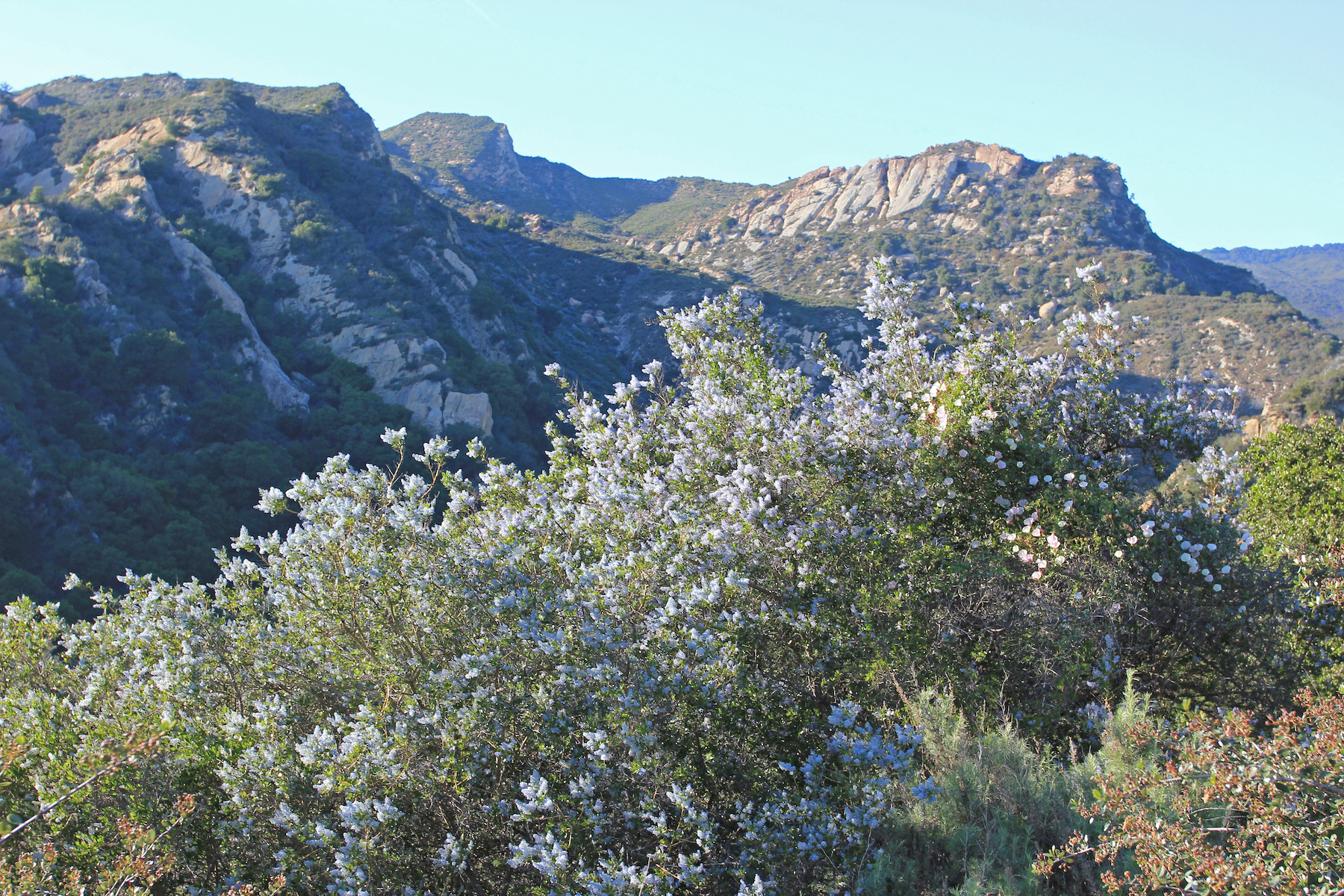
Greenbark Ceanothus
Resprouts from root crown and lignotubers.
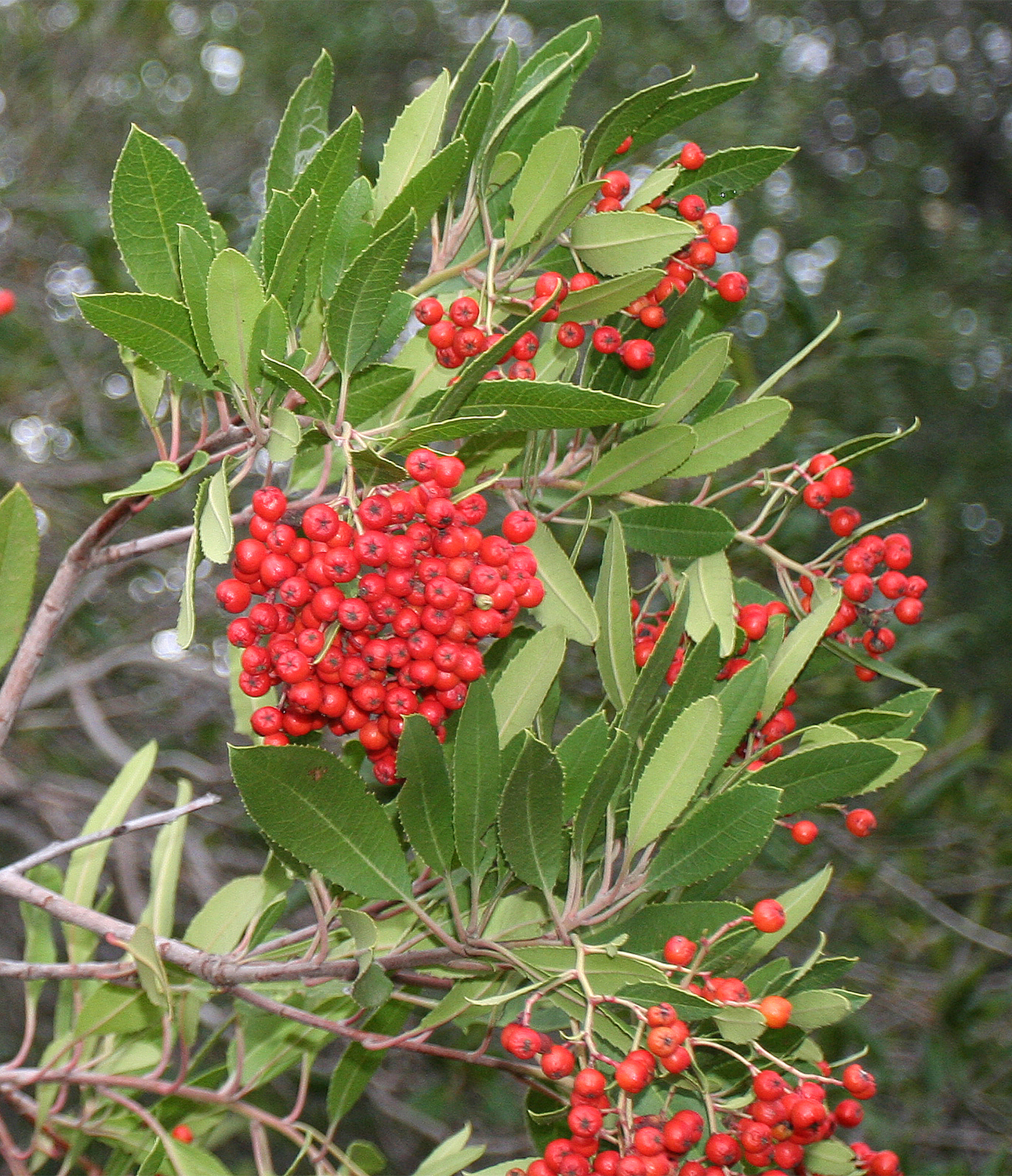
Thrives after fire; seeds are stimulated by heat.
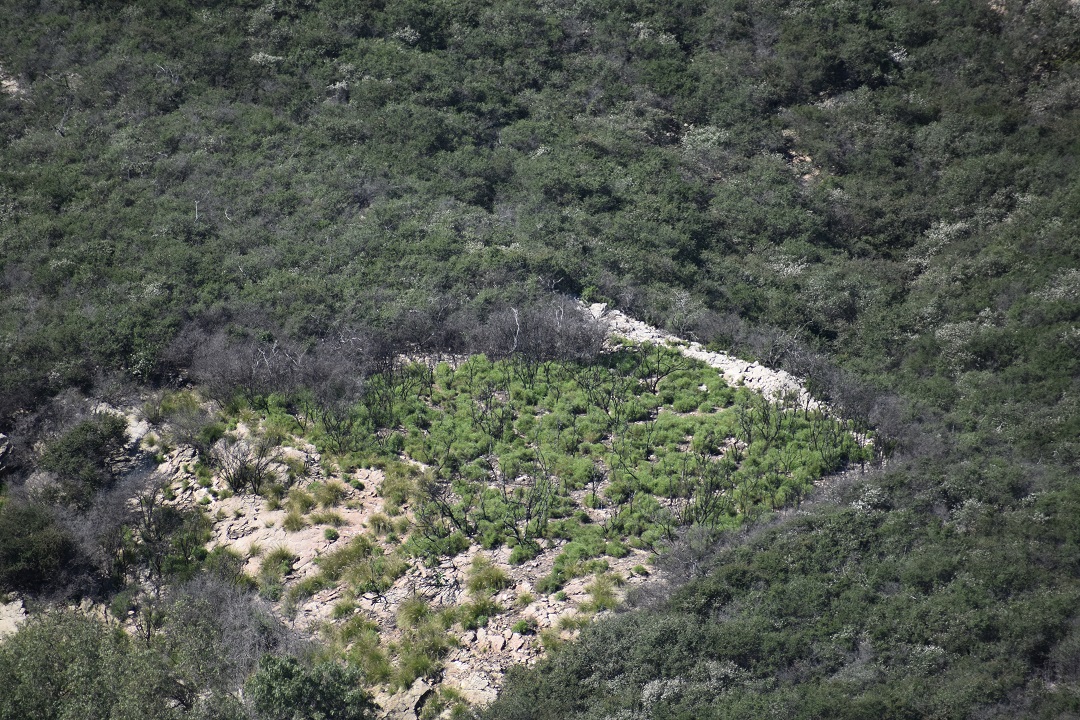
Deep roots survive burns underground.
These species employ diverse strategies to ensure survival post-burn, from resprouting from dormant buds in the root crown to keeping their root systems deep underground. Look out for these plants on your next tour of the preserve: they represent many generations of genetic fine-tuning that make them ideal residents for this fire-prone area.
Fire and Nutrient Cycling
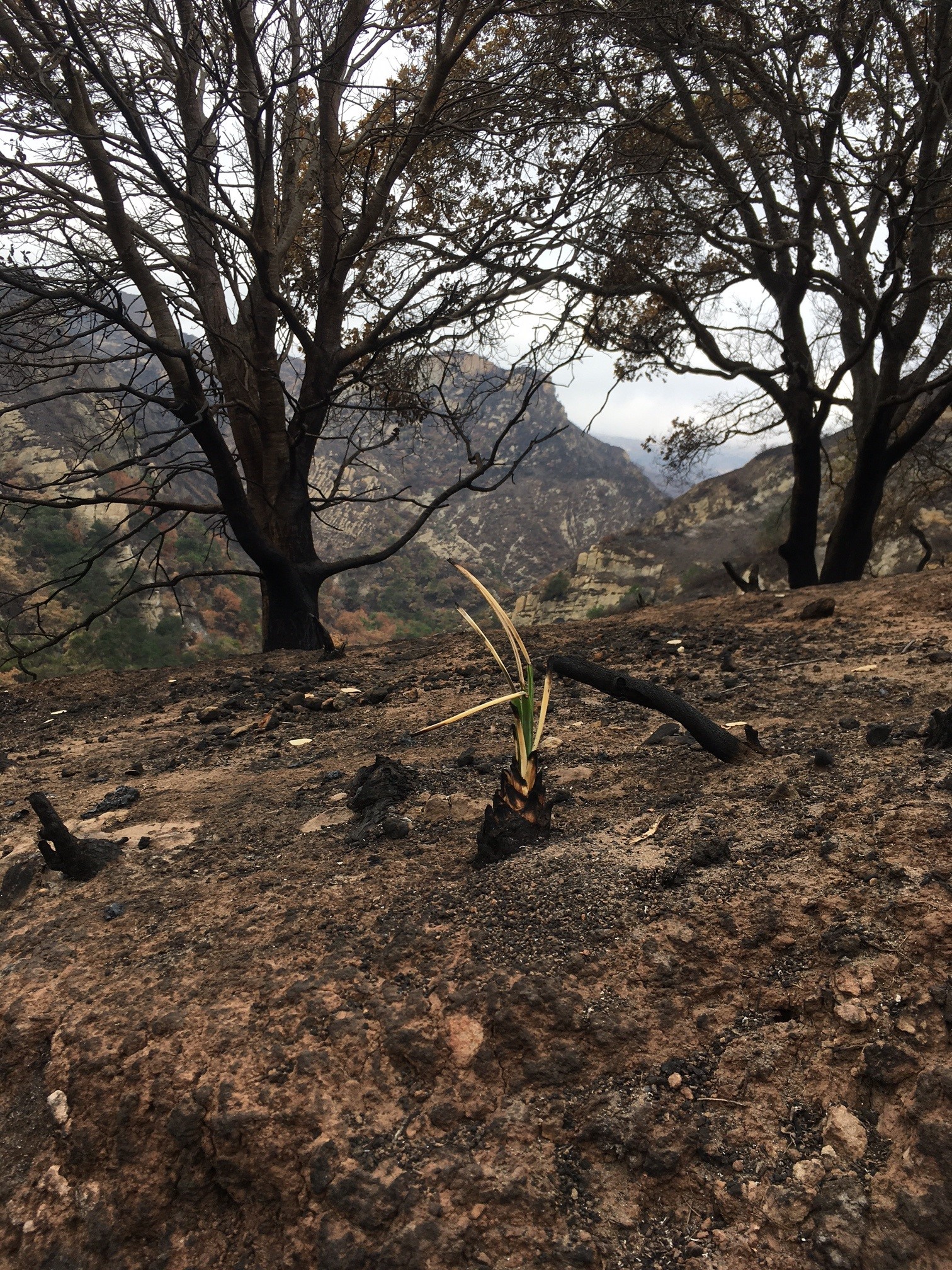
A more immediate consequence of fire is its alteration of soil chemistry. Fire typically kills a large portion of plant and microbial life when it sweeps through an ecosystem. This combustion of organic matter releases stores of carbon and nitrogen into the atmosphere while leaving behind less-combustible minerals (comprised of potassium, calcium, magnesium, and phosphorus, among other elements) that can help fertilize the soil2. By making these nutrients more available, fire can turbo charge the rhizosphere and set the stage for new plant life to flourish after an area has burned.
Life After Fire
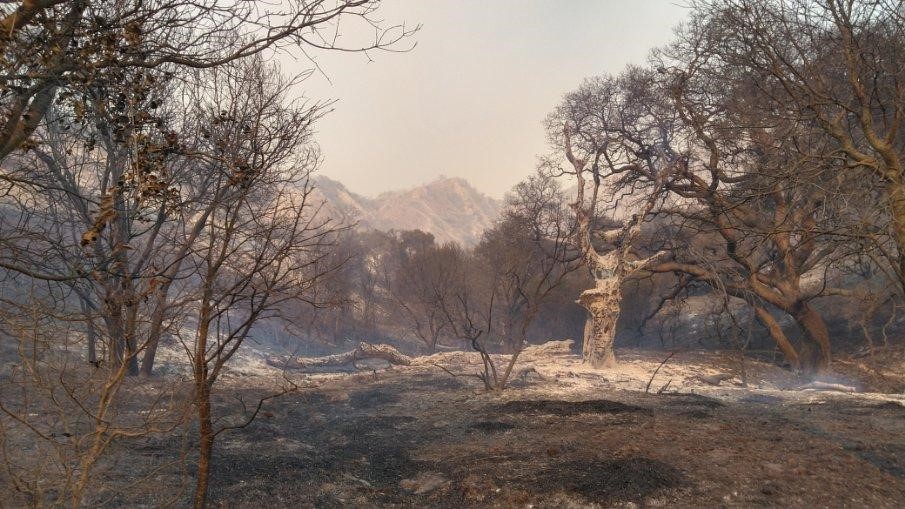
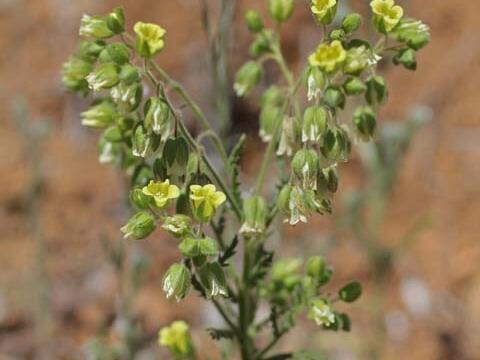
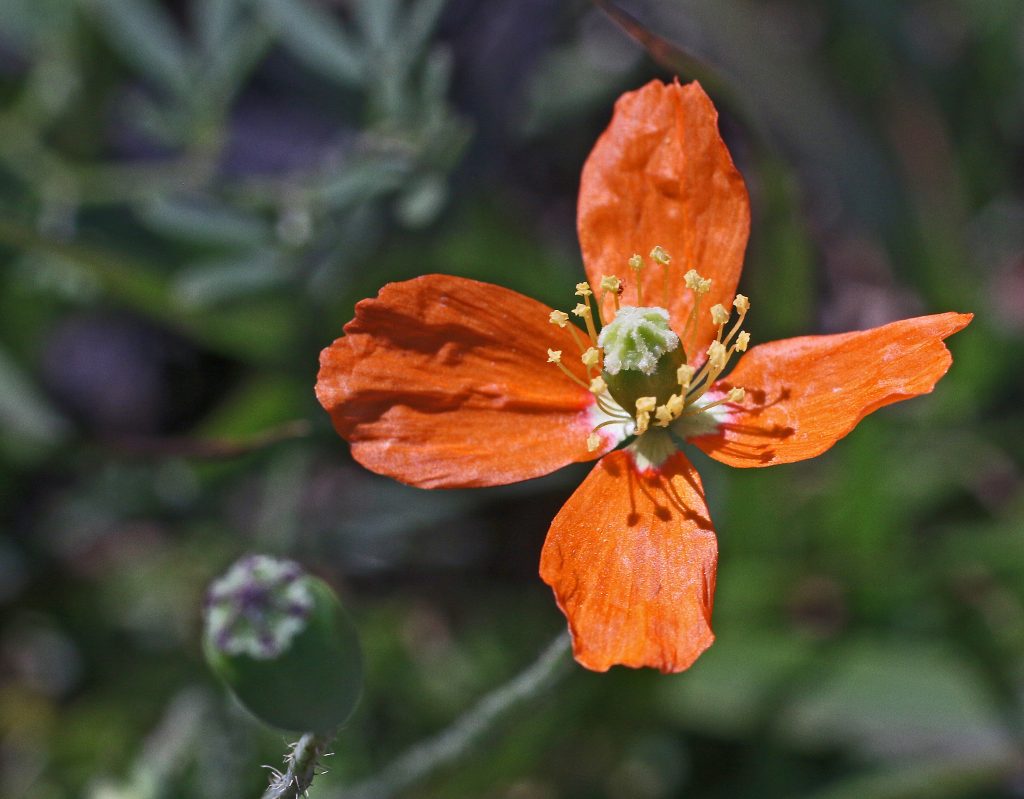
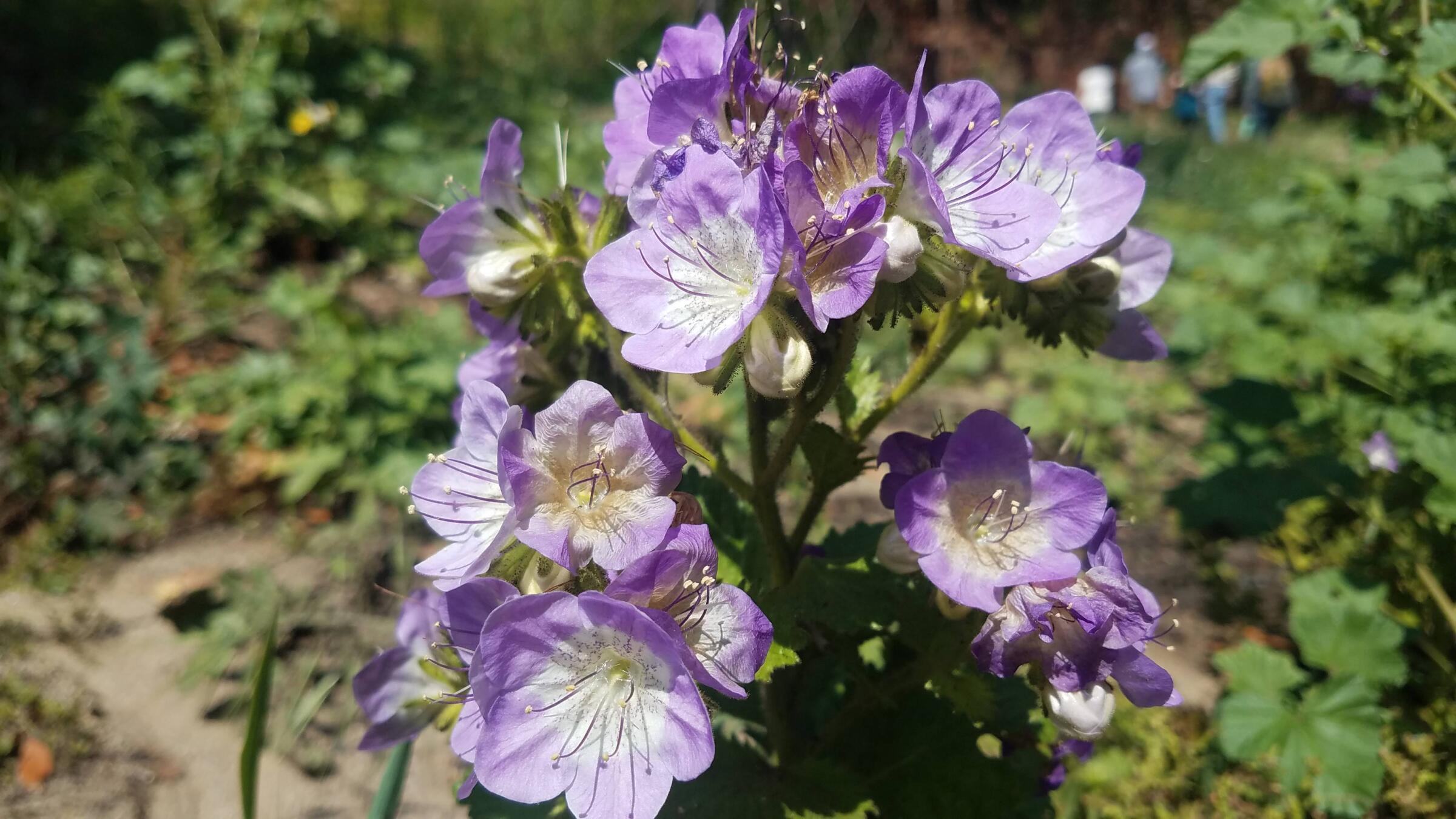
Such was the case for Arroyo Hondo Preserve in the wake of the Alisal Fire, which saw the sudden germination of wildflowers stimulated by the fire’s smoke and residual ash. These “fire followers” (ex. whispering bells, fire poppies, large-flowered phacelia, etc.) can be a bright relief from the charred landscape, offering viewers a glimpse into the first stages of post-fire plant succession as they pave the way for the establishment of other plant species that will eventually dominate the area.
(Healthy nutrient cycling is not always the result of recurrent, high-intensity fires, which are becoming increasingly common with a changing climate. These fires tend to completely volatize organic compounds and can leave soil sterile for long periods of time post-burn. In response to this potential for decimation, certain fire-prone biomes are currently seeing the rise of heat-resistant genes being expressed within their microbiomes as bacteria adapt to periods of high-intensity heat, reiterating fire’s role as a driver of evolution3.)
Fire and Human Culture
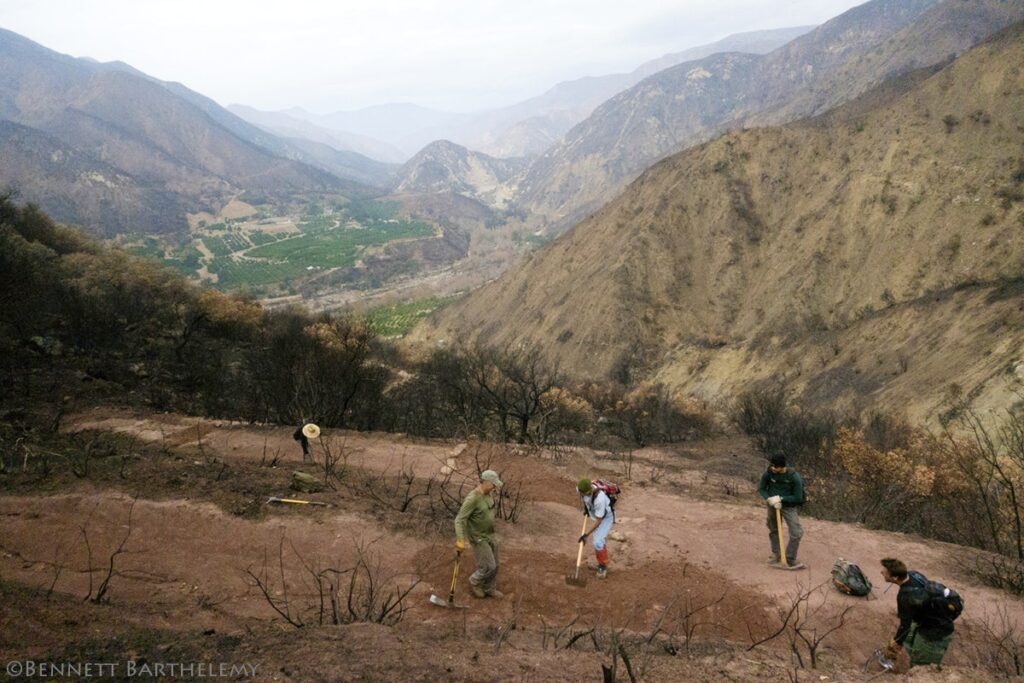
Long before becoming a bitter topic on the tongues of fire-ravaged Californians, natural fires were a blaze of opportunity for early hominids, who learned to control and then create them for foraging, cooking, and illumination, among other purposes4. Over time, fire became a tool with which to manage excessive understory growth, which in turn promoted good ecosystem health where it was used. The practice is largely linked to indigenous groups across the globe that, for millennia, prescribed burns to clear brush, influence species composition, and maintain overall ecosystem productivity, highlighting the cultural significance of fire as a medicine for the land5.
Despite extensive indigenous knowledge about the benefits of prescribed fires, 20th century land management agencies in the U.S. aggressively pivoted away from these practices, pushing instead the need for fire suppression wherever possible7. These policies proved a highly reactive approach to fire management and led to more intense blazes when fire did eventually return to fire-suppressed areas6.
It was not until the 1960s that data-driven fire ecology began to take shape in the Western scientific world, showing federal land managers that fire could actually improve ecosystem health when and where appropriate. This ultimately led to a perception shift around fire as a land management tool, which encouraged agencies to practice a mix of fire suppression and prescribed burns to steward long-term ecological health of federal lands.
Final Thoughts
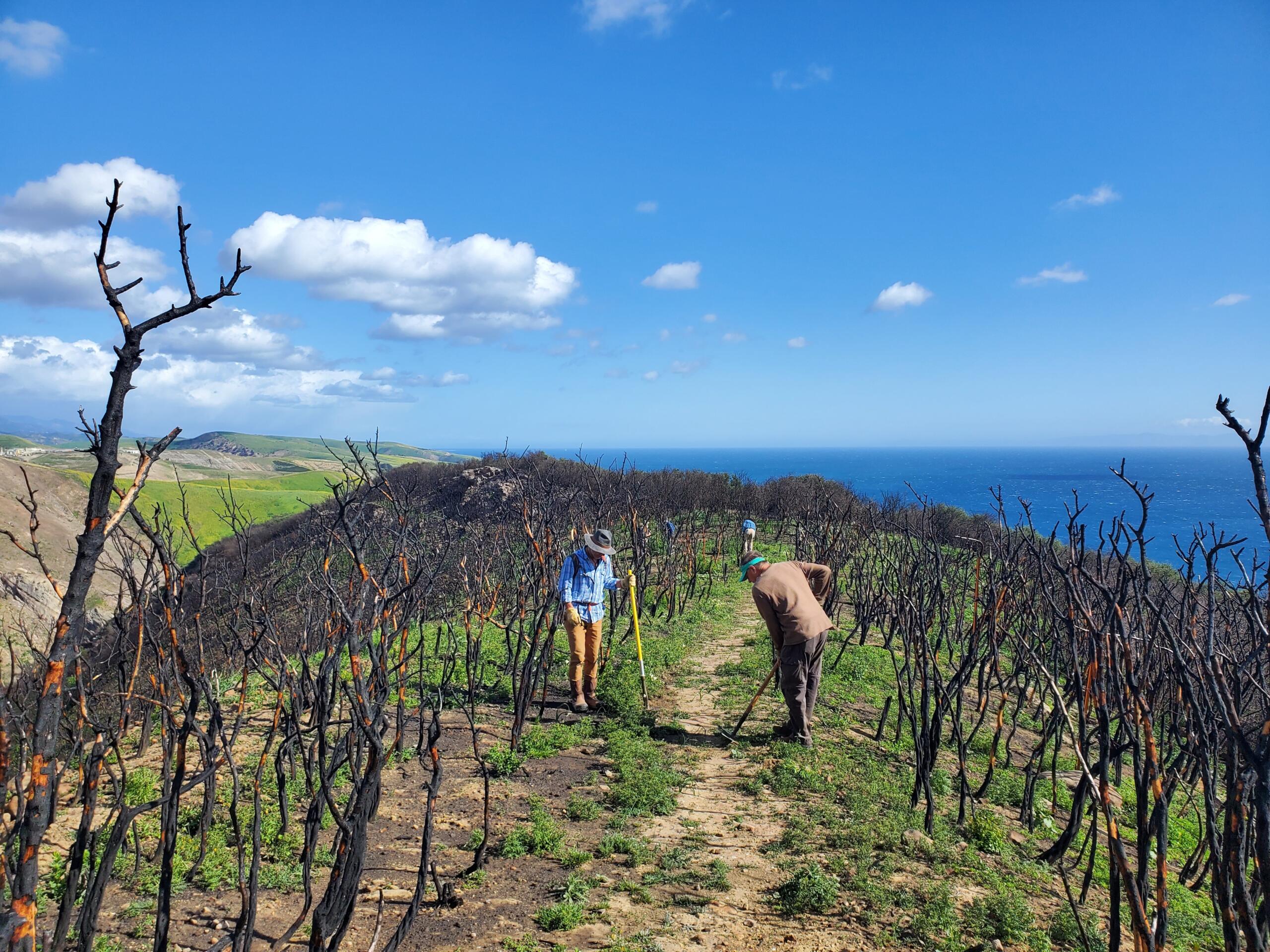
Overall, to live sustainably alongside fire is to understand its many purposes within our ecosystems, whether those are destructive, productive, or ambiguous in effect. Communicating this importance is not meant to minimize the disastrous effects that fire has on human settlements, especially those caused by particularly incendiary conditions from climate change. If anything, fire ecology invites us to action amid climate frustration: similar to how terrestrial plants evolved fire-adaptive traits over time, we too will need to adopt new measures and policies that make fire safety and management top priorities for urban spaces. Only then will we adequately prepare ourselves to live according to the changing whims of Nature, that which takes in great blazes and, with time and the right conditions, eventually replenishes in life anew.
Stay Informed & Fire Aware
Whether you’re a fire ecology enthusiast or are simply looking to be more fire-aware, we invite you to stay on top of local fire news and planning efforts by visiting these resources:
Sources & Further Reading
1 Kobziar, L.N., Hiers, J.K., Belcher, C.M. et al. Principles of fire ecology. fire ecol 20, 39 (2024). https://doi.org/10.1186/s42408-024-00272-0
2 Santín, C., & Doerr, S. H. (2016). Fire effects on soils: the human dimension. Philosophical transactions of the Royal Society of London. Series B, Biological sciences, 371(1696), 20150171. https://doi.org/10.1098/rstb.2015.0171
3 Bodí, M.B., Martin, D.A., Balfour, V.N., et al. Wildland fire ash: Production, composition and eco-hydro-geomorphic effects, Earth-Science Reviews, Volume 130, 2014, Pages 103-127, ISSN 0012-8252, https://doi.org/10.1016/j.earscirev.2013.12.007.
4 J. A. J. Gowlett; The discovery of fire by humans: a long and convoluted process. Philos Trans R Soc Lond B Biol Sci 5 June 2016; 371 (1696): 20150164. https://doi.org/10.1098/rstb.2015.0164
5 https://www.nps.gov/subjects/fire/indigenous-fire-practices-shape-our-land.htm