Press Release: The Land Trust for Santa Barbara County Celebrates 40 Years of Conservation with Landmark Achievements in 2025
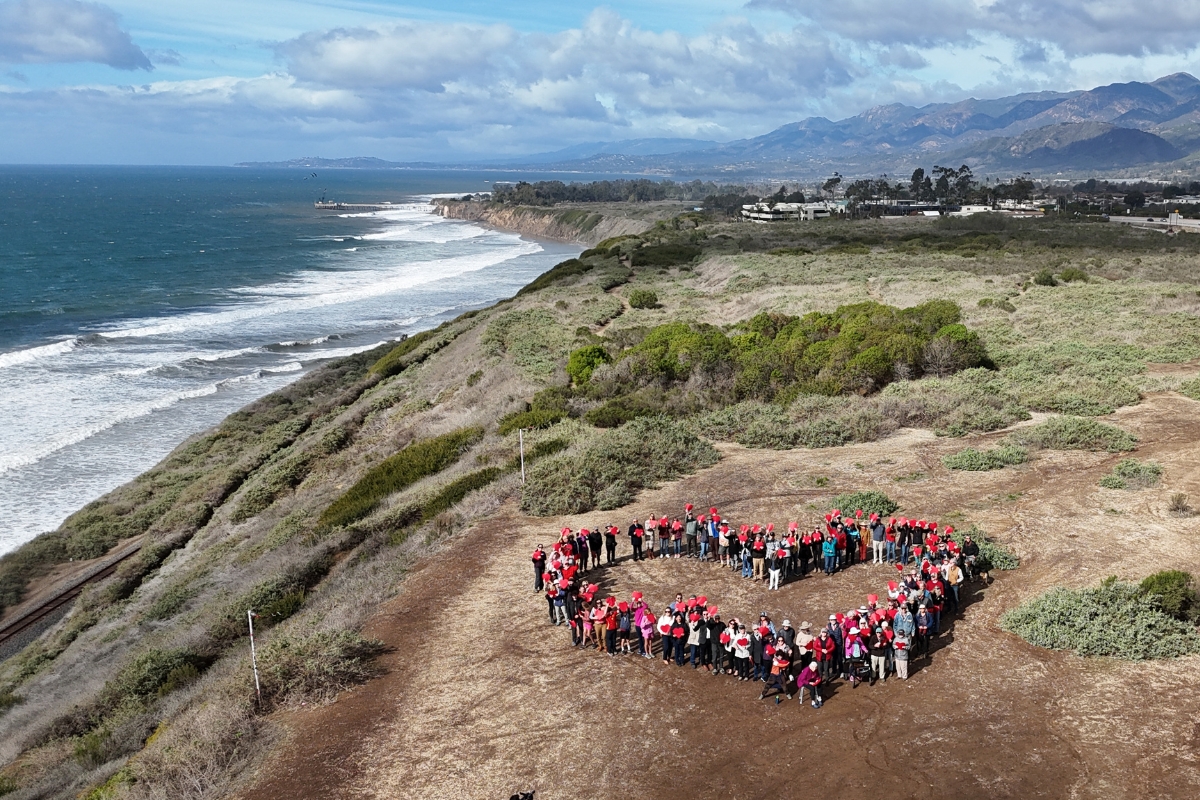
Santa Barbara County, CA – [December 22, 2025] The Land Trust for Santa Barbara County is closing out its 40th year with a record of meaningful conservation impact, deepened community engagement, and strengthened stewardship across the region. Since its founding in 1985, the Land Trust has partnered with landowners, public agencies, and community members to conserve 58,650 acres of land through 62 conservation easements and fee-owned preserves across Santa Barbara County, protecting open space, agricultural lands, watersheds, and wildlife habitat for the benefit of present and future generations. In 2025, the organization advanced conservation efforts across all areas of the county.
“It took us stepping back to realize we’ve added over 30,000 acres of conserved land in the last five years. We are excited to hit our stride as a countywide organization,” said executive director, Meredith Hendricks.
Conservation Milestones in 2025
In its 40th year, the Land Trust achieved several major conservation successes:
- Rancho Dos Alamos permanently conserved — A 587-acre working landscape in the Solomon Hills was protected through a conservation easement, strengthening connectivity among conserved rangelands and wildlife habitat.
- Permanent protection secured for More Mesa — In partnership with Santa Barbara County and the More Mesa Preservation Coalition, the Land Trust finalized the first permanent conservation easement on the first 36 acres of this iconic coastal bluff landscape, preserving oak woodlands, grasslands, and riparian habitat.
- 100% protection of Arroyo Hondo Creek —With the acquisition of Steelhead Lookout, the entire length of Arroyo Hondo Creek is now conserved, safeguarding a critical watershed and habitat corridor. Earlier this year, the preserve also became a refuge for endangered
Southern California steelhead trout rescued from Topanga Creek following the Palisades Fire, highlighting the creek’s regional importance for species recovery.
- Rincon Gateway protected — One of the last remaining undeveloped coastal parcels between Goleta and Ventura, this site now provides lasting coastal open space at the southeastern gateway to Santa Barbara County.
Together, these efforts moved the Land Trust closer to a significant milestone of nearly 60,000 acres conserved countywide.
Looking Ahead
As the Land Trust enters its fifth decade, the organization is focused on advancing regional conservation priorities while expanding public access to nature.
In early 2026, the Land Trust will break ground on a new 1.1-mile trail at Gaviota Overlook, expanding the trail network at Arroyo Hondo Preserve onto a previously inaccessible stretch of the Gaviota Coast. The new trail will offer sweeping ocean views and opportunities to observe seasonal wildlife, including migrating whales in the spring. Trail improvements will also include targeted maintenance along portions of the West Ridge Trail to enhance visitor experience.
Following trail establishment, the Gaviota Overlook area is planned as a future site for wetland restoration, further reinforcing the Land Trust’s integrated approach to access, habitat protection, and long-term stewardship.
This trail project represents just one example of what lies ahead in 2026. As the Land Trust looks to the new year, a new slate of conservation projects is underway—each designed to strengthen wildlife habitat, expand access to open space, and safeguard Santa Barbara County’s iconic landscapes for generations to come.
About The Land Trust for Santa Barbara County
The Land Trust for Santa Barbara County is a nonprofit organization dedicated to conserving natural resources, agricultural land, and open spaces throughout Santa Barbara County. Since its founding in 1985, the organization has protected over 58,000 acres of land, ensuring the preservation of the county’s diverse landscapes for future generations. For more information about The Land Trust for Santa Barbara County and its conservation efforts, visit www.sblandtrust.org, and follow on Facebook, Instagram, and LinkedIn.